

- By admin
- In Uncategorized
- Tags Business
The Ultimate Guide to Finding a Licensed General Contractor in Chicago
What Is a Licensed General Contractor in Chicago — and Why It Matters
Finding a licensed general contractor in Chicago is one of the most important decisions you’ll make before starting any home renovation project.
Here’s the quick answer:
A licensed general contractor in Chicago is required by law before any building construction, alteration, repair, or demolition work begins — whether for compensation, investment, or with intent to sell or lease. The City of Chicago Department of Buildings issues five classes of general contractor licenses (Class A through E), based on project value.
| License Class | Max Project Value | Annual Fee | Min. Insurance |
|---|---|---|---|
| Class A | Unlimited | $3,500 | $5,000,000 |
| Class B | $20,000,000 | $1,800 | $3,000,000 |
| Class C | $10,000,000 | $1,300 | $2,000,000 |
| Class D | $4,000,000 | $900 | $2,000,000 |
| Class E | $500,000 | $300 | $1,000,000 |
Chicago takes unlicensed contracting seriously. A license can be revoked the moment a contractor’s insurance lapses — and homeowners who hire unlicensed contractors risk costly legal and safety consequences.
Whether you’re planning a bathroom remodel in Wilmette, a basement finishing project in Evanston, or a full kitchen renovation in Lincoln Park, working with a properly licensed contractor protects your investment, your home, and your family.
At HQ Carpentry, founded by Tomasz Pietrzyk and serving Chicago and the North Shore suburbs since 2011, we’re fully licensed and insured — so you never have to worry about compliance. This guide explains exactly what Chicago’s licensing system means for you as a homeowner.

Why You Must Hire a Licensed General Contractor in Chicago

When taking on major home improvements, the legal and structural stakes are high. Whether you want to add a porch building to your home in Glenview, execute complex structural adjustments in Winnetka, or build home additions in Northbrook, the scope of work dictates strict municipal oversight. The City of Chicago Department of Buildings closely monitors all residential and commercial structural adjustments to ensure building safety and municipal compliance.
Hiring a licensed general contractor in Chicago guarantees that your project is managed by an expert who understands the complex local building codes. A licensed general contractor coordinates all phases of your renovation, schedules necessary inspections, and takes legal responsibility for the structural integrity of the build.
To understand why a full-service professional is so critical for managing these moving parts, read our guide on Open Concept Closed Deal: Choosing a Full Service Remodeling Contractor in Chicago.
When Do You Need a Licensed General Contractor in Chicago?
You need a licensed general contractor for almost any project that goes beyond simple cosmetic updates. Under Chicago municipal code, any work involving structural elements, building permit acquisition, or major system modifications requires a licensed professional.
Common residential projects that require a licensed contractor include:
- Basement finishing and basement remodeling projects.
- Open concept renovations that require removing load-bearing walls.
- Multi-room structural adjustments and comprehensive home additions.
- Porch building, structural deck construction, and masonry work.
- High-end Lincoln Park condo renovations and historic home restorations in Oak Park.
If you are planning a large-scale renovation, explore our comprehensive services on Home Remodeling Chicago to see how we handle these projects seamlessly from start to finish.
How to Verify a Licensed General Contractor in Chicago
Never take a contractor’s word for it when they claim to be licensed. The City of Chicago Department of Buildings maintains a public, searchable database of active general contractors. This portal allows you to verify a contractor’s active license status and track their insurance expiration dates in real time.
When verifying a contractor for your Skokie residential projects or Park Ridge home makeovers, follow these key steps:
- Search the Database: Visit the official City of Chicago active general contractors portal. Search by the business name or their license number.
- Check Key Dates: Look closely at both the License Expiration Date and the Insurance Expiration Date. A contractor’s license is automatically inactivated the moment their liability insurance policy expires.
- Confirm the License Class: Ensure their license class (A through E) matches the monetary value of your project.
- Confirm Subcontractor Status: Ensure that any specialized subcontractors, such as plumbers or electricians, also hold active trade-specific municipal licenses.
For more detailed advice on vetting your remodeling team, check out our Tips for Hiring a Bathroom Remodeling Contractor.
Understanding Chicago Contractor License Classes and Insurance Requirements
Chicago’s Department of Buildings categorizes general contractor licenses into five distinct classes. These classes are determined by the maximum contract value of any single project and carry strict insurance requirements.
| License Class | Project Value Limit | Insurance Limit (Per Occurrence) | Annual License Fee |
|---|---|---|---|
| Class A | Unlimited | $5,000,000 | $3,500 |
| Class B | Up to $20,000,000 | $3,000,000 | $1,800 |
| Class C | Up to $10,000,000 | $2,000,000 | $1,300 |
| Class D | Up to $4,000,000 | $2,000,000 | $900 |
| Class E | Up to $500,000 | $1,000,000 | $300 |
To qualify for any of these licenses, contractors must obtain commercial general liability insurance from an insurance carrier rated B+ or higher by A.M. Best Company. The insurance policy must explicitly name the City of Chicago as an additional insured on a primary, non-contributory basis.
When submitting the Official City of Chicago General Contractor License Application, contractors must also provide proof of workers’ compensation insurance if they have employees. This strict framework ensures that if an accident occurs on your property in Arlington Heights or Downers Grove, you are completely insulated from liability.
The Step-by-Step Process of Chicago Contractor Licensing
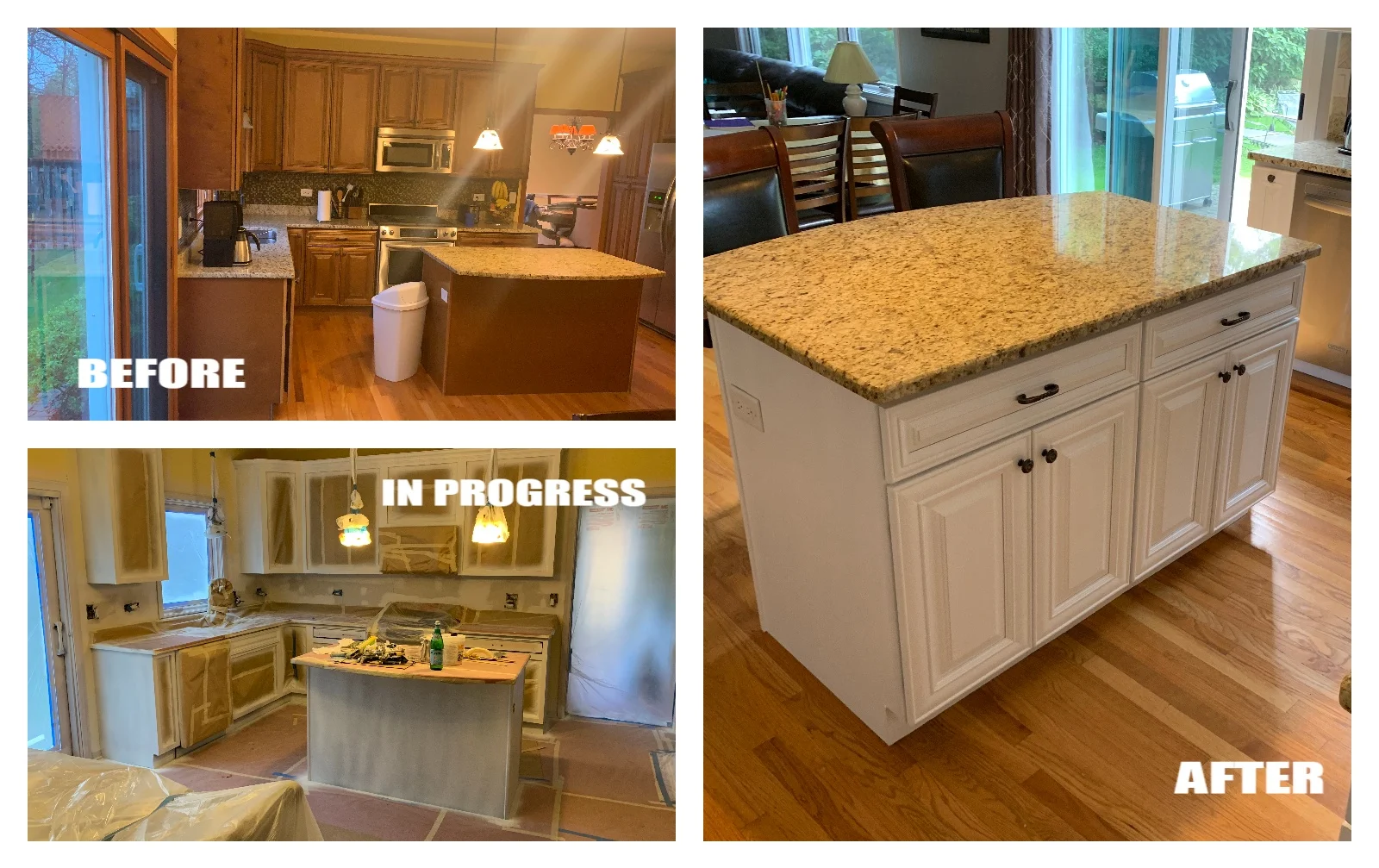
Obtaining a licensed general contractor chicago designation is a rigorous administrative process. The City of Chicago delegates the processing of applications and renewals to a third-party agency called Continental Testing Services.
The licensing journey involves several strict regulatory steps:
- Register the Business: Contractors must register their business entity with the Illinois Department of Revenue and obtain an Federal Employer Identification Number (FEIN).
- Establish Legal Structure: Submit formal business structure documents, such as a Certificate of Good Standing from the Illinois Secretary of State for corporations or LLCs.
- Procure Insurance: Secure general liability insurance matching the target license class from an approved provider, ensuring the City of Chicago is named as an additional insured.
- Complete the License Affidavit: All signing parties, officers, or partners must sign the official General Contractor’s License Affidavit in black ink.
- Submit Identification: Provide government-issued photo ID for all key stakeholders.
- Submit to Continental Testing Services: Mail the completed application, supporting documents, and the corresponding license fee to Continental Testing Services.
For homeowners in Evanston or Wilmette, this intense process is why hiring a licensed professional is non-negotiable. It proves the contractor possesses the financial stability, legal standing, and professional accountability required to work on your home. If you are ready to update your kitchen, see how we apply our professional expertise to every project on our Kitchen Remodeling Chicago page.
Penalties for Unlicensed Contracting and Legal Protections
Operating without a license in the Chicago area carries severe penalties for contractors and creates massive legal risks for homeowners. The Illinois Department of Financial and Professional Regulation (IDFPR) and municipal building departments enforce these rules aggressively to protect consumers.
- Unlicensed Plumbing Fines: Performing plumbing work without a state license from the Illinois Department of Public Health (IDPH) results in a $1,000 fine for a first offense (no code violations) and up to $3,000 if code violations are present.
- Unlicensed Roofing Fines: Roofing work performed without an active IDFPR roofing license carries fines of up to $5,000 per offense.
- Mechanics Lien Risks: In Illinois, courts have ruled that unlicensed contractors cannot successfully foreclose on a mechanics lien. If an unlicensed contractor performs work on your home and a payment dispute arises, their lack of a license can render their lien completely unenforceable, complicating legal resolutions.
- Permit Denial: The City of Chicago will not issue building permits to unlicensed contractors. Attempting to complete major renovations without permits can result in “Stop Work” orders, heavy municipal fines, and the potential demolition of non-compliant work.
Hiring an unlicensed contractor to save on costs is a risk that can ruin your property value and leave you with no legal recourse. For a deeper look at the safety and financial risks of unpermitted, unlicensed work, read our article Why You Shouldn’t DIY Your Bathroom Remodel.
Frequently Asked Questions about Chicago General Contractors
What is the primary residence exception for Chicago building permits?
The primary residence exception allows a homeowner to perform construction or remodeling work on their own property without hiring a licensed general contractor. However, this exception is highly restricted to protect public safety. To qualify, the building must be three stories or fewer, contain six units or fewer, have no nonresidential occupancy, and serve as the owner’s primary residence. Furthermore, a homeowner can only claim this exception once per calendar year. Even under this exception, any specialized trade work, such as electrical or plumbing, must still be performed by licensed trade professionals.
What is the difference between a general contractor and a specialty contractor?
A general contractor manages the entire construction project, coordinates the timeline, secures building permits, and hires subcontractors. A specialty contractor focuses on a single, specific trade. In Chicago, certain trades require separate, trade-specific municipal or state licenses. For example, electrical contractors, plumbing contractors, and masonry contractors must hold their own active trade licenses. A general contractor license does not allow a contractor to perform specialized electrical or plumbing work unless they also hold those specific trade credentials.
To learn more about when you need a full-service general contractor versus a trade-specific specialist, read our article Bathroom Remodel Chicago: DIY or Hire a Pro?.
How long is a Chicago general contractor license valid?
A Chicago general contractor license is valid for exactly one year from its date of issuance. Contractors must manage their renewals through the Official Continental Testing Services Portal. Additionally, licensed contractors are legally required to report any changes to their business structure, address, or insurance policy to the Department of Buildings within 14 days of the change. Failure to report these changes or to submit a renewed insurance certificate at least 14 days before expiration will result in the immediate inactivation of the license.
Conclusion
Navigating the licensing and regulatory landscape in Chicago is essential for a successful home renovation. By choosing a qualified, licensed general contractor, you protect your home, ensure compliance with local building codes, and gain peace of mind throughout the construction process.
At HQ Carpentry, founded by Tomasz Pietrzyk, we have been serving homeowners across Chicago and the North Shore suburbs — including Lincolnwood, Skokie, Evanston, Wilmette, Glenview, Northbrook, Oak Brook, and Arlington Heights — since 2011. We hold a 5.0 Google Reviews rating and bring over 15 years of hands-on experience to every project. Whether you need bathroom remodeling, kitchen island design, custom cabinet installation, custom glass shower installation, or major structural adjustments, our team is fully licensed, insured, and dedicated to exceptional craftsmanship.
Ready to start planning your dream renovation? Visit our Home Remodeling Chicago page to learn more about our services, and contact us today through hqremodelingchicago.com for a free estimate.