
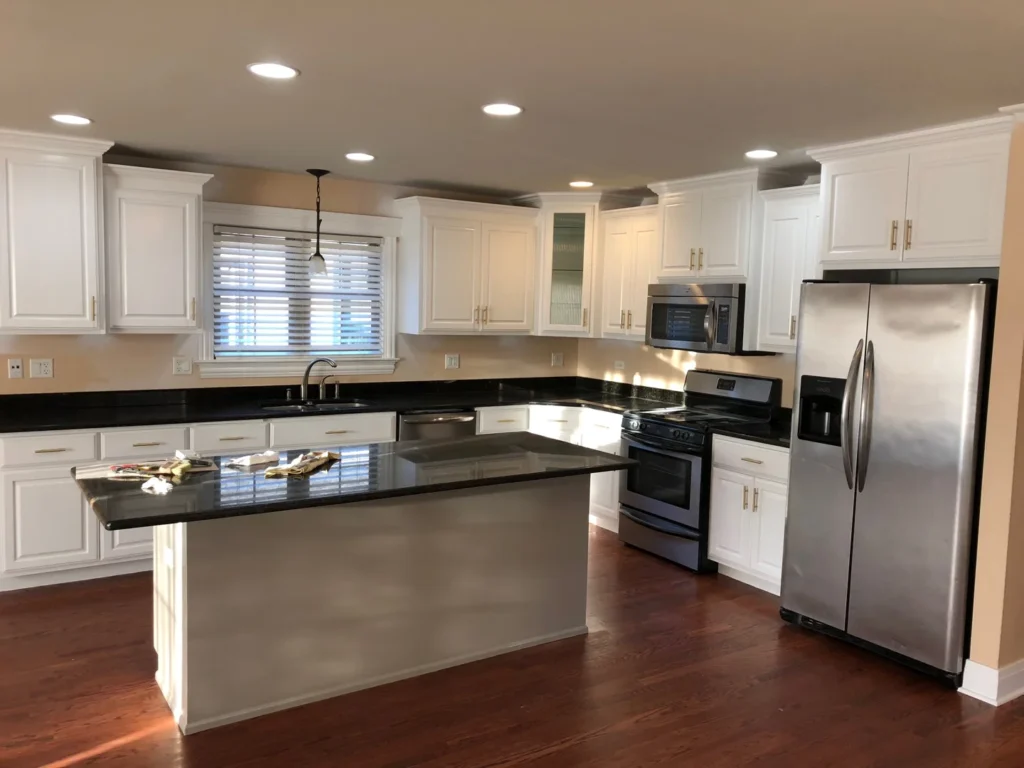
- By admin
- In Uncategorized
- Tags Design
A Comprehensive Guide to Modern Kitchen Carts & Islands
Contemporary Kitchen Carts and Islands: Flexible Storage for Small Spaces
Contemporary kitchen carts and islands add prep space, storage, and flexible seating without committing to a permanent remodel. For a Chicago condo, apartment, or compact home kitchen, choose a rolling model with locking casters, enclosed storage, and a drop-leaf or extendable top. Measure the cart both folded and open, then keep at least 36 inches of clear walkway around it.
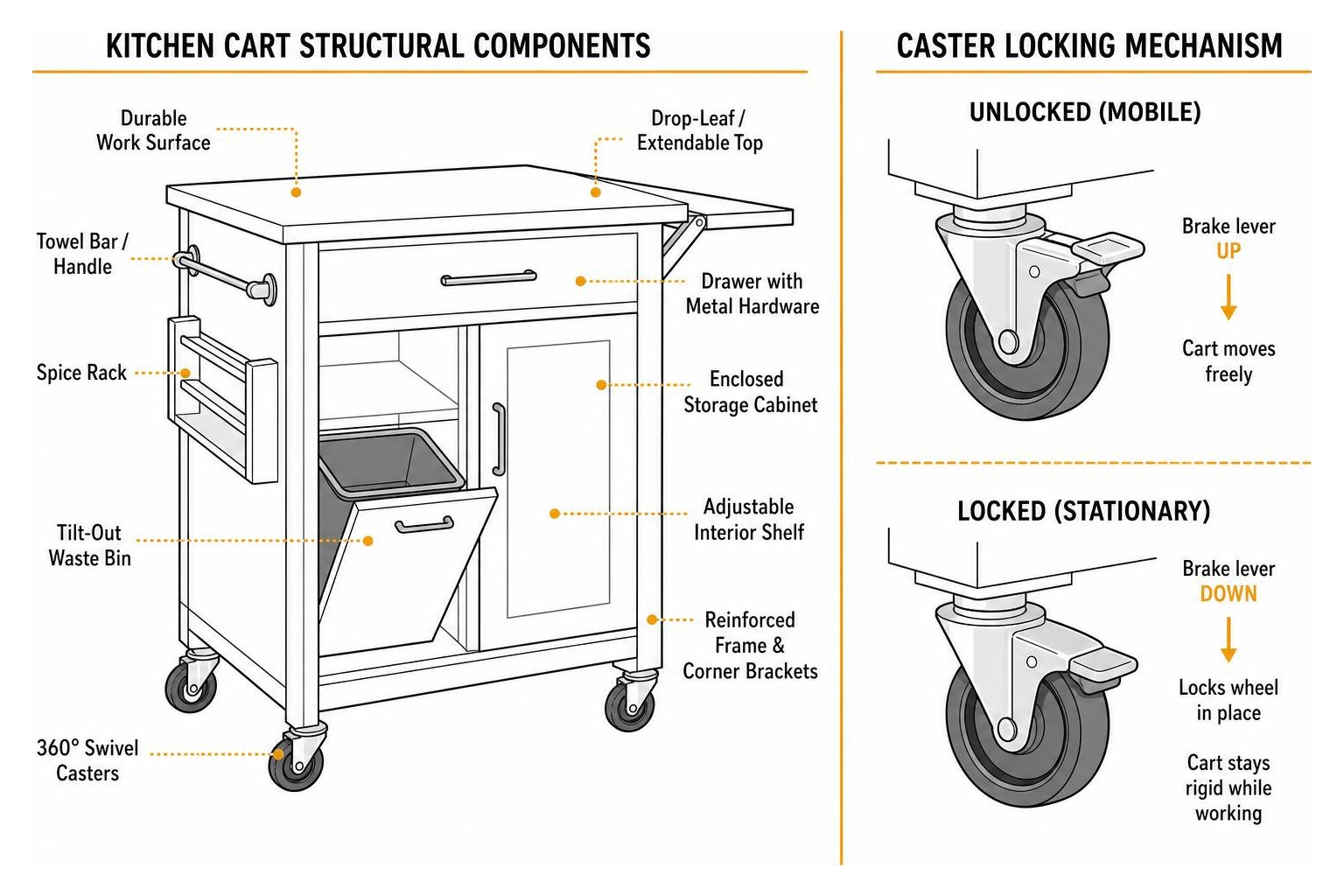
The best portable islands can do more than hold cookware. Deep drawers, adjustable shelves, spice racks, towel bars, and tilt-out waste bins keep daily items close but out of sight. Drop-leaf surfaces can create a quick breakfast bar or larger prep zone, while models with built-in outlets and USB ports can support a tablet, phone, or small-appliance station.
For homeowners planning a larger update, a movable cart is also a smart way to test how an island will affect traffic flow before installing custom cabinetry. Our team has served Chicago homeowners since 2011, helping turn tight, outdated kitchens into practical spaces that fit how families cook and gather.
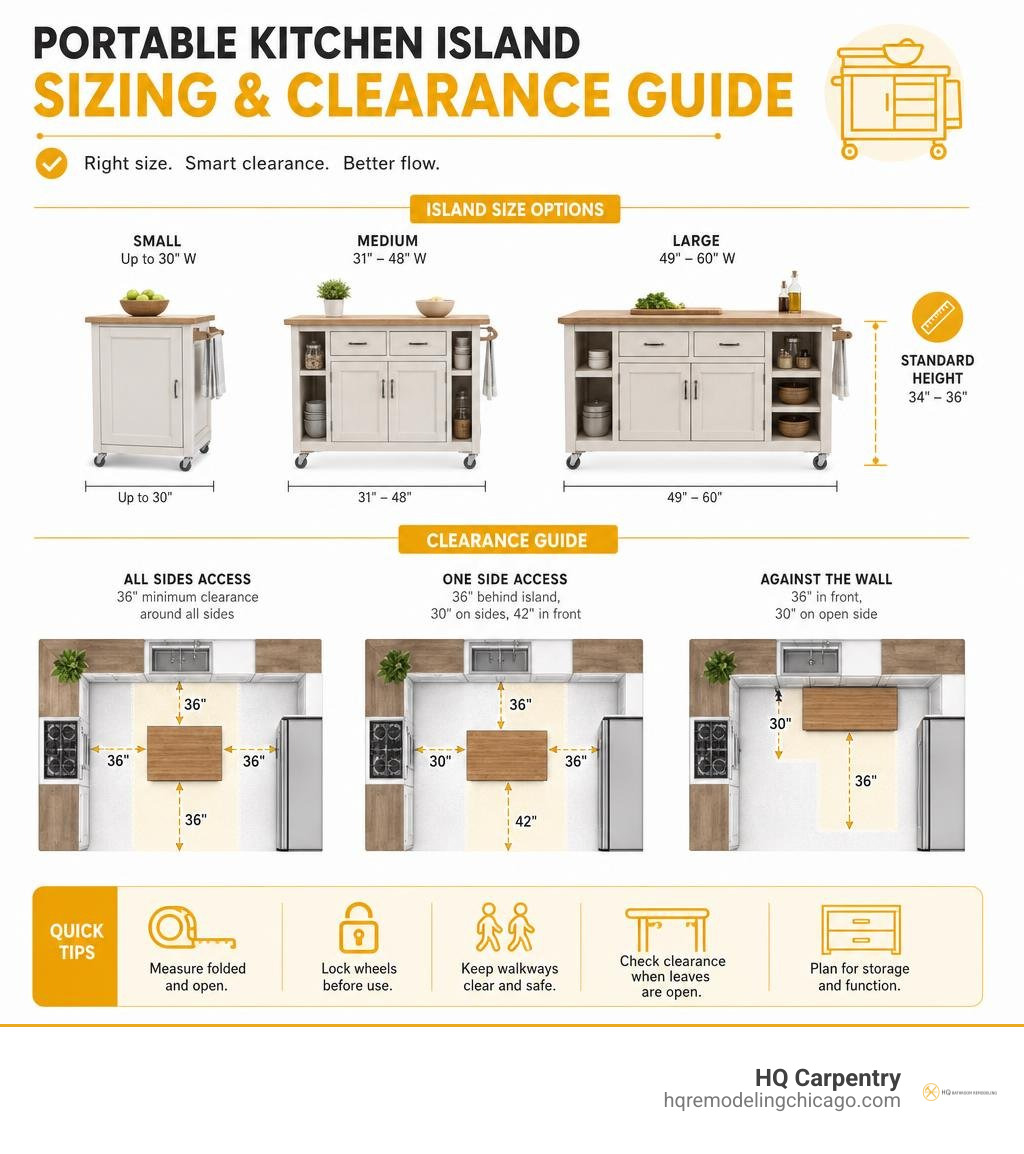
Contemporary kitchen carts and islands terms to learn:
Core Features of Contemporary Kitchen Carts and Islands
Modern portable islands rely on mobility and modular flexibility. Heavy-duty 360-degree swivel casters allow you to slide a workspace between your primary prep zone and the dining area. Industrial-grade locking caster brakes ensure the cart stays rigid while chopping vegetables or kneading dough.
Durable construction blends engineered wood, moisture-resistant laminates, solid wood butcher blocks, and reinforced metal corner brackets. Premium units offer versatile rolling island storage designs that pair open access with concealed cabinet space. High-grade metal hardware ensures that drawers and hinges hold up against continuous culinary use.
Key Storage Capabilities in Contemporary Kitchen Carts and Islands
Efficient storage transforms a basic cart into a powerhouse for daily cooking. Modern units frequently integrate tilt-out trash compartments with detachable bin holders to conceal kitchen waste. Side spice racks and multi-tiered organizer dividers keep everyday seasonings upright and accessible.
Side-mounted towel bars double as sturdy grab handles when wheeling the cart between rooms. Deep lower drawers accommodate heavy cast iron skillets and small countertop appliances. Implementing these features pairs perfectly with clever 10×13 kitchen layout ideas that focus on eliminating clutter.
Expandable Surfaces and Drop-Leaf Countertop Mechanics
Drop-leaf countertops use heavy-duty steel cantilever support brackets that lock into place instantly. Quality drop-leaf extensions support up to 150 lbs, providing a dependable surface for breakfast seating or heavy ingredient staging.
Telescoping table extensions can dramatically increase work area, expanding a 43.3-inch cabinet out to a 78.3-inch full dining station. These dual-purpose configurations let small-space dwellers transition smoothly from morning food preparation to evening entertaining.
| Island / Cart Style | Compact Dimensions | Extended Dimensions | Total Load Capacity | Standout Features |
|---|---|---|---|---|
| Butcher Block Cart | 48″ W x 18″ D x 35″ H | 48″ W x 30″ D (Drop Leaf) | Up to 300 lbs | Solid butcher block, open base shelf, side spice organizer |
| Compact Rattan Island | 47″ W x 15.7″ D x 31.4″ H | 47″ W x 28″ D (Drop Leaf) | 150 lbs (leaf) | Tilt-out trash bin, woven rattan cabinet, locking casters |
| Extendable Dining Island | 43.3″ W x 20″ D x 36″ H | 78.3″ W x 20″ D (Extended) | 250 lbs combined | 8 swivel casters (4 locking), slide-out dining table |
| Tech Hub Island | 47.2″ W x 27.6″ D x 35″ H | 47.2″ W x 38″ D (Drop Leaf) | 200 lbs | Built-in AC & USB charging strip, barn doors, towel bar |
High-Utility Designs for Small Kitchens and Condos

Condos and apartments across neighborhoods like the West Loop and Lincoln Park often contend with restrictive, linear cooking zones. Mobile carts provide critical counter space without permanently narrowing tight walkways. Homeowners seeking everyday adaptability can explore versatile retail storage solutions and mobile carts designed specifically for tight footprints.
Tech-Integrated Hubs and Built-In Power Strips
Contemporary cooking requires power for induction burners, blenders, tablets, and mobile devices. Modern mobile carts solve cord clutter by embedding power strips directly into the side apron or countertop.
Standard electrical integration includes dual 125V/12A AC outlets alongside two 5V/2A USB charging ports. Connecting the island’s single master cord to a wall outlet keeps small appliances powered while leaving primary perimeter counters completely clear.
Multi-Functional Dining and Workstation Configurations
A rolling island excels as a multi-purpose work hub in contemporary open-plan spaces. Units that extend up to 78 inches easily seat multiple people for casual dinners, serving as a substitute dining table.
Homeowners can pair these modular furnishings with streamlined 1-wall kitchen island layout ideas to maximize central floor space. When entertaining, simply unlock the wheels to convert the island into an expansive cocktail or buffet bar.
Material Durability and Construction Standards
Butcher block remains a sought-after top surface due to its natural warmth and impact tolerance. High-density engineered wood bases wrapped in waterproof laminates resist swelling from spills and kitchen moisture.
Metal frames and heavy steel brackets provide structural rigidity under heavy weight. Choosing materials that balance resilience with simple maintenance ensures your cart withstands years of active meal prep.
Evaluating Durability Across Contemporary Kitchen Carts and Islands
Weight distribution determines how well a mobile island performs over time. Heavy-duty utility carts can support up to 300 lbs distributed across the frame, shelves, and countertop.
High load limits allow you to safely store stand mixers, cast iron Dutch ovens, and bulk dry goods. For homeowners planning broader home upgrades, studying modern kitchen designs with island provides helpful context on long-term material longevity.
Assembly Realities and Maintenance Best Practices
Most mobile islands ship flat-packed with cam locks, dowels, and machine screws. Assembly generally requires basic tools and dedicated setup time to align doors and ensure frames sit square.
- Tighten all structural fasteners and cam locks completely during initial assembly to eliminate frame wobble.
- Check and re-tighten caster bolts and hinge hardware every six months to maintain smooth rolling and solid stability.
- Support drop-leaf surfaces from underneath before setting down heavy crockpots or mixing bowls.
- Clean laminate surfaces and wood tops with a mild, damp cloth while avoiding abrasive scouring pads.
- Always engage caster brakes prior to performing high-leverage tasks like chopping or dough rolling.
Bridging Freestanding Carts and Custom Built-In Renovations
A mobile cart serves as an exceptional proving ground for kitchen workflows. It allows you to test whether an island center point enhances your cooking routines before investing in permanent structural changes.
When your lifestyle demands integrated sinks, gas cooktops, wine coolers, or seamless quartz, upgrading to permanent cabinetry is the ideal next step. Our comprehensive a-z guide to kitchen island design explains how custom configurations elevate day-to-day functionality. From Evanston to Oak Park and Downers Grove, our team creates custom cabinet installation and countertop integration layouts tailored to your exact floor plan.
Frequently Asked Questions About Kitchen Carts and Islands
What weight capacity should a drop-leaf kitchen cart support?
A high-quality drop-leaf countertop should support at least 100 to 150 lbs when fully extended. Heavy-duty steel cantilever support brackets prevent sagging during food preparation. Always distribute weight toward the center of the main cabinet when running high-vibration appliances.
How much walkway clearance is needed around a rolling kitchen island?
Maintain a minimum of 36 inches of unobstructed walkway on all sides of your cart. In busy cooking zones, aim for 42 to 48 inches of aisle space so you can open lower cabinet doors, dishwashers, and ovens without obstruction.
When should a homeowner upgrade from a cart to a built-in island?
Upgrade to a permanent island when you need embedded plumbing, dedicated electrical circuits, expanded storage, or integrated seating for four or more people. A built-in island anchored to the floor also increases home value and allows for heavy stone countertops like quartz or granite.
Conclusion
Maximizing kitchen workspace requires finding the right balance between mobility, smart storage, and daily durability. Contemporary kitchen carts provide instant prep space and seating flexibility for compact layouts and condos. When your home is ready for a permanent transformation, partnering with an experienced general contractor ensures lasting beauty and structural excellence.
HQ Carpentry delivers tailored home renovations, full kitchen remodeling, custom cabinet installation, and master-crafted kitchen island design across Chicago, Glencoe, Wilmette, and the surrounding suburbs. Founded by Tomasz Pietrzyk with over 15 years of hands-on building experience, our fully licensed and insured team maintains a 5.0 Google Reviews rating.
Explore our professional solutions for kitchen remodeling in Chicago to bring your dream culinary space to life. Call HQ Carpentry at (773) 968-3606 or visit hqremodelingchicago.com to schedule your consultation and request a free estimate.