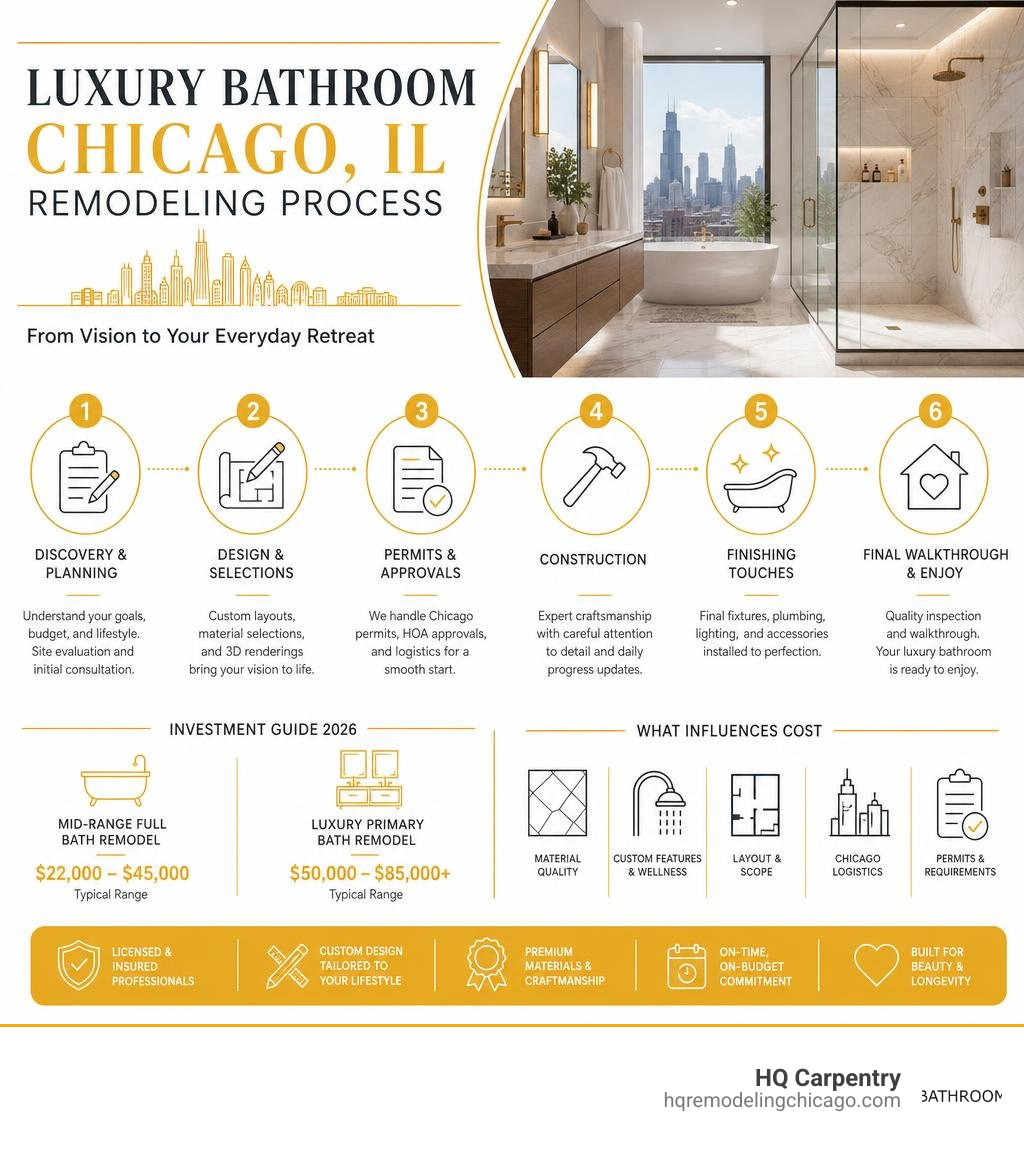
How to Design a Master Bathroom
Designing a master bathroom is a thrilling process that allows you to create a serene and functional space for relaxation and personal care. Whether you’re upgrading an old bathroom or starting fresh, careful planning can make all the difference. In this guide, we’ll take you through key considerations on how to design a master bathroom that suits both your lifestyle and aesthetic preferences.
1. Establish Your Budget
The first step in designing a master bathroom is setting a realistic budget. Bathrooms are one of the most important rooms in the home, but they can also be expensive to renovate. Consider your desired features, such as premium fixtures, large bathtubs, or high-end flooring, and factor those into your overall budget. Prioritize essential elements first, and allocate funds for any luxurious additions as your budget allows.
2. Choose a Layout That Works for You
When you begin thinking about how to design a master bathroom, consider the layout. Do you want a spacious, open-plan bathroom or a more segmented design with separate areas for the shower, tub, and toilet? The layout will largely depend on the available space, but there are several options to consider:
-
Open-concept design: If you have ample space, an open layout with a freestanding tub and glass-enclosed shower could create a spa-like experience.
-
Separate zones: If you prefer some privacy, create distinct areas for the toilet, shower, and bath, ensuring everything is easily accessible but separate.
A well-thought-out layout can maximize both space and functionality, which is crucial when designing a master bathroom.
3. Select High-Quality Materials
One of the most important aspects of how to design a master bathroom is the selection of materials. Opt for durable, water-resistant materials that are easy to clean but also luxurious in appearance. Consider the following options:
-
Tiles: Porcelain or natural stone tiles can elevate the overall look. Subway tiles are a timeless choice, while mosaic tiles offer an artistic touch.
-
Countertops: Materials like granite or quartz are both beautiful and durable, offering a sophisticated finish that withstands the rigors of daily use.
-
Cabinetry: Choose cabinetry that complements the rest of your bathroom design. Whether you prefer a sleek modern look or a more rustic vibe, the cabinetry will play a big role in the overall aesthetic.
Opting for high-quality materials ensures that your bathroom remains both beautiful and functional for years to come.
4. Consider Lighting
Lighting is essential in any bathroom, but it’s even more critical in a master bathroom. Proper lighting can enhance the ambiance, functionality, and safety of the space. When considering how to design a master bathroom, be sure to include a mix of task, ambient, and accent lighting:
-
Task lighting: Install bright, focused lighting around the vanity mirror to provide ample light for grooming.
-
Ambient lighting: Overhead lighting, such as a chandelier or recessed lights, creates a warm and inviting atmosphere.
-
Accent lighting: Use accent lighting to highlight design features like a beautiful tub or artwork.
A well-lit master bathroom can instantly elevate its overall appeal.
5. Incorporate Luxurious Features
Your master bathroom should be a personal retreat, so consider incorporating features that provide comfort and luxury. Some popular options to consider when thinking about how to design a master bathroom include:
-
Freestanding tub: A luxurious freestanding tub is perfect for unwinding after a long day. Pair it with a chic faucet or a modern showerhead to elevate the design.
-
Double vanity: If space permits, a double vanity is a must-have. It provides ample space for two people to get ready at once and enhances the overall flow of the bathroom.
-
Walk-in shower: A large, glass-enclosed shower with rain showerheads can transform your bathroom into a spa-like oasis.
-
Heated floors: Especially in colder climates, heated floors add an extra layer of comfort and warmth.
These features create a calming, luxurious atmosphere that enhances your bathroom’s functionality and aesthetics.
6. Add Storage Solutions
Storage is crucial in a master bathroom, where toiletries, towels, and other bathroom essentials can quickly accumulate. Consider clever storage solutions when deciding how to design a master bathroom:
-
Built-in shelves: Install shelving units inside or outside of your shower for easy access to bath products.
-
Vanity storage: Ensure your vanity offers ample space for storing essentials. Drawers are a great option for keeping items organized and hidden from view.
-
Tall cabinets: If you have the space, a tall cabinet can provide additional storage without crowding the room.
Storage solutions help keep the bathroom clutter-free while maintaining a clean, streamlined look.
7. Personalize the Space
Finally, when you’re thinking about how to design a master bathroom, don’t forget to add personal touches that make the space uniquely yours. This could include:
-
Artwork: Adding framed art or photographs can inject personality into the space and make it feel more inviting.
-
Greenery: Incorporating plants into your bathroom design adds natural elements that can boost relaxation and wellness.
-
Textiles: Luxurious towels, bath mats, and robes can bring color and texture to the room.
Personalizing your bathroom helps make it a comfortable space that reflects your style.
Conclusion
Designing a master bathroom is a rewarding experience that requires careful thought and planning. By focusing on layout, materials, lighting, and storage, you can create a bathroom that is both functional and beautiful. With these tips on how to design a master bathroom, you’ll be able to create the perfect space that serves as a relaxing retreat for years to come. Whether you’re remodeling an existing bathroom or starting from scratch, taking the time to plan your design will ensure a space that truly meets your needs.
Ready to start your remodel?
Tell us about your project and we'll follow up with next steps.
Free Quote