
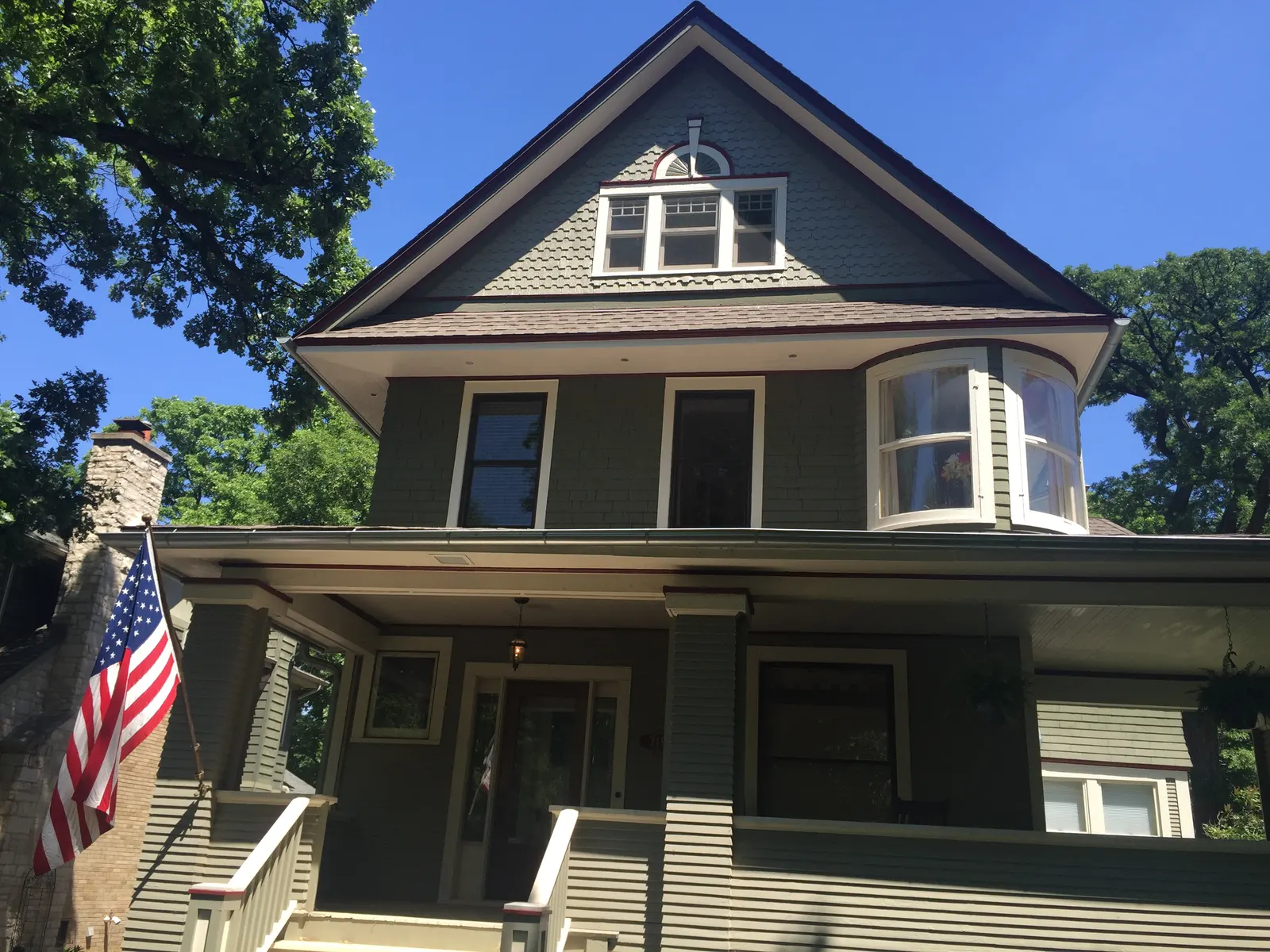
Hardwood Floor Refinishing in Chicago, IL
Sanded back to bare wood.
We repair, sand and refinish hardwood floors in Chicago-area homes, with dust control and a finish picked for how you live.
We’ve received your request and will be in touch within one business day.
This site is protected by reCAPTCHA and the Google Privacy Policy and Terms of Service apply.
Bring Your Wood Floors Back Instead of Covering Them
Refinishing takes a solid wood floor down to fresh, bare wood. We sand off the old finish, scratches and gray worn paths, then apply stain if you want a new color and several coats of new finish.
It is a good fit for the oak floors found in so many Chicago bungalows, two-flats and greystones, including the ones hiding under old carpet. It also works in suburban homes where the floors are sound but dull, scratched by pets or faded near the windows.
We handle the whole job: moving out what needs moving, fixing loose or damaged boards, filling where it makes sense, sanding, staining and finishing. Stairs, thresholds and new trim are done by the same crew, so the floor and everything that touches it match.
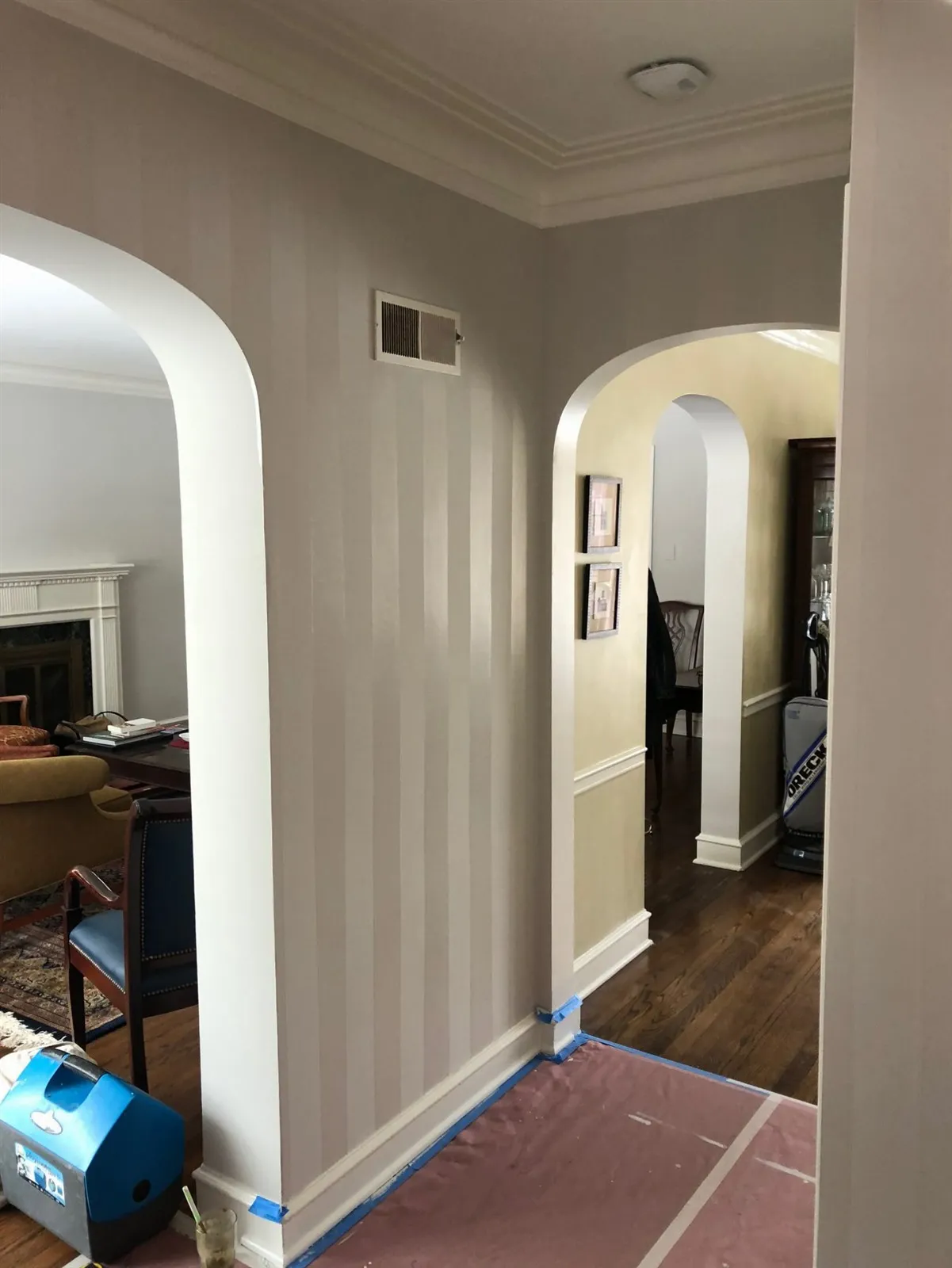
Refinish, Recoat or Replace: Which Does My Floor Need?
Not every tired floor needs a full sanding. The answer depends on where the damage is. If the scratches are only in the finish and the wood under it still looks good, a lighter job may be enough. We buff the old finish with a fine screen and add a fresh topcoat. It brings back shine and protection without taking wood off the floor.
Once the wear has gone through the finish into the wood, or you want a new color, the floor needs to be sanded to bare wood. Each sanding takes a thin layer off the top, so a solid floor can only be sanded a limited number of times. Replacement makes sense when there is not enough wood left, when water has ruined large areas, or when the subfloor below has problems.
During the visit we pull a floor vent or check a threshold to see the board edge and judge how much wood is left.
- Screen and recoat: finish is dull or lightly scratched, wood is fine
- Full refinish: worn to bare wood, deep scratches, stains or a new color
- Repair and refinish: a few damaged boards are cut out and replaced first
- Replace: too thin to sand again or badly water damaged
How Much Dust Will Refinishing Make?
Old-style floor sanding filled the whole house with fine dust. That is the worry we hear most. Today the sanders we use are connected to vacuum systems that pull dust away at the machine, and we seal doorways, vents and open stairways with plastic before we start. Some dust is still possible, but it stays in the work area instead of settling on every shelf in the house.
Age of the house matters too. In homes built before 1978, the old finish on the floor, stairs or trim can contain lead, and that includes old varnish and shellac, not only paint. HQ Carpentry is EPA Lead-Safe certified. In older homes we follow lead-safe practices: closing off the room and vents, using HEPA vacuums on the sanding equipment, collecting the debris in sealed bags and cleaning the area carefully at the end.
Many Chicago bungalows and two-flats were built long before 1978, so we plan for this from the first visit.
Oil-Based or Water-Based Finish?
Both make a durable floor. The difference is in color, smell and time. Oil-based finish gives oak a warm, amber tone that deepens over the years, which is the classic look of many older Chicago floors. It has a strong smell and dries slowly, so each coat needs to sit overnight, and the rooms are out of use for longer.
Water-based finish dries clear and stays closer to the natural color of the wood. It looks good with light and gray tones, and it does not yellow much with age. It has far less odor and dries within hours, so we can often apply more than one coat in a day.
We show you samples on your own floor before we finish the whole room. Oak can look very different once the old finish is gone, especially red oak, which tends to show pink tones under light or gray stains.
- Want the warm, traditional look? Oil-based is a good fit.
- Need to stay home or have a strong sense of smell? Water-based is easier to live with.
- Either way, the finish keeps hardening for days after it feels dry.
Can We Stay Home While the Floors Are Done?
Often, yes, if the work can be split up and you use a water-based finish. We plan the order of rooms so you keep a way to the kitchen, bathroom and bedrooms for as long as possible. In a bungalow with one main floor, that may mean doing the living and dining rooms first and the bedrooms later. If every room on a floor is being done at once, or you choose an oil-based finish, staying with friends for a few nights is usually easier.
Pets need a plan as well. Paws and fresh finish do not mix, and fumes are harder on small animals. A pet sitter or a closed-off room on another floor works well.
In condos and two-flats, sanders are loud and the neighbors will hear them. Many associations set work hours, require notice to other owners or ask for proof of insurance before a contractor can start. We ask about your building’s rules up front and schedule around them.
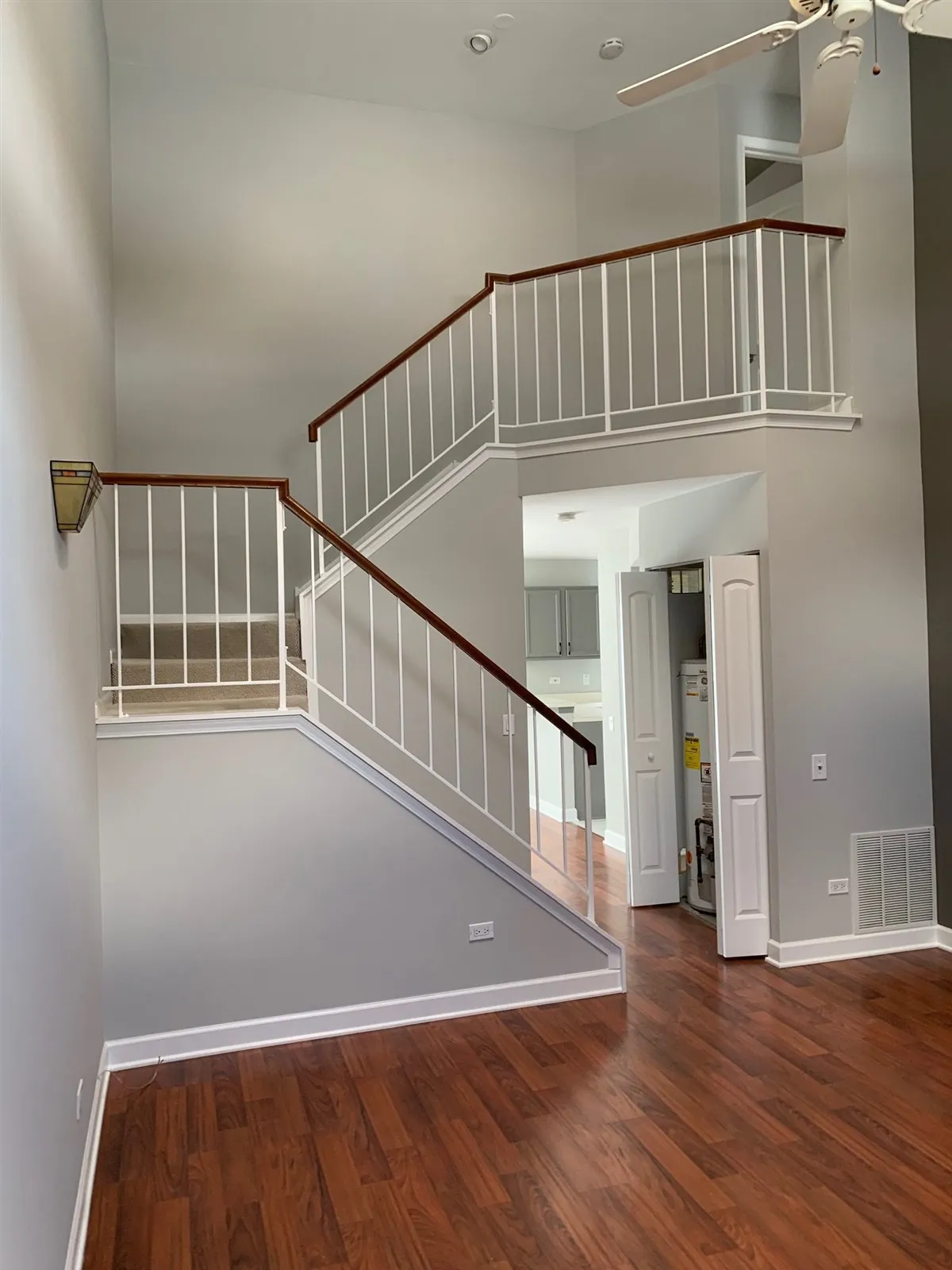
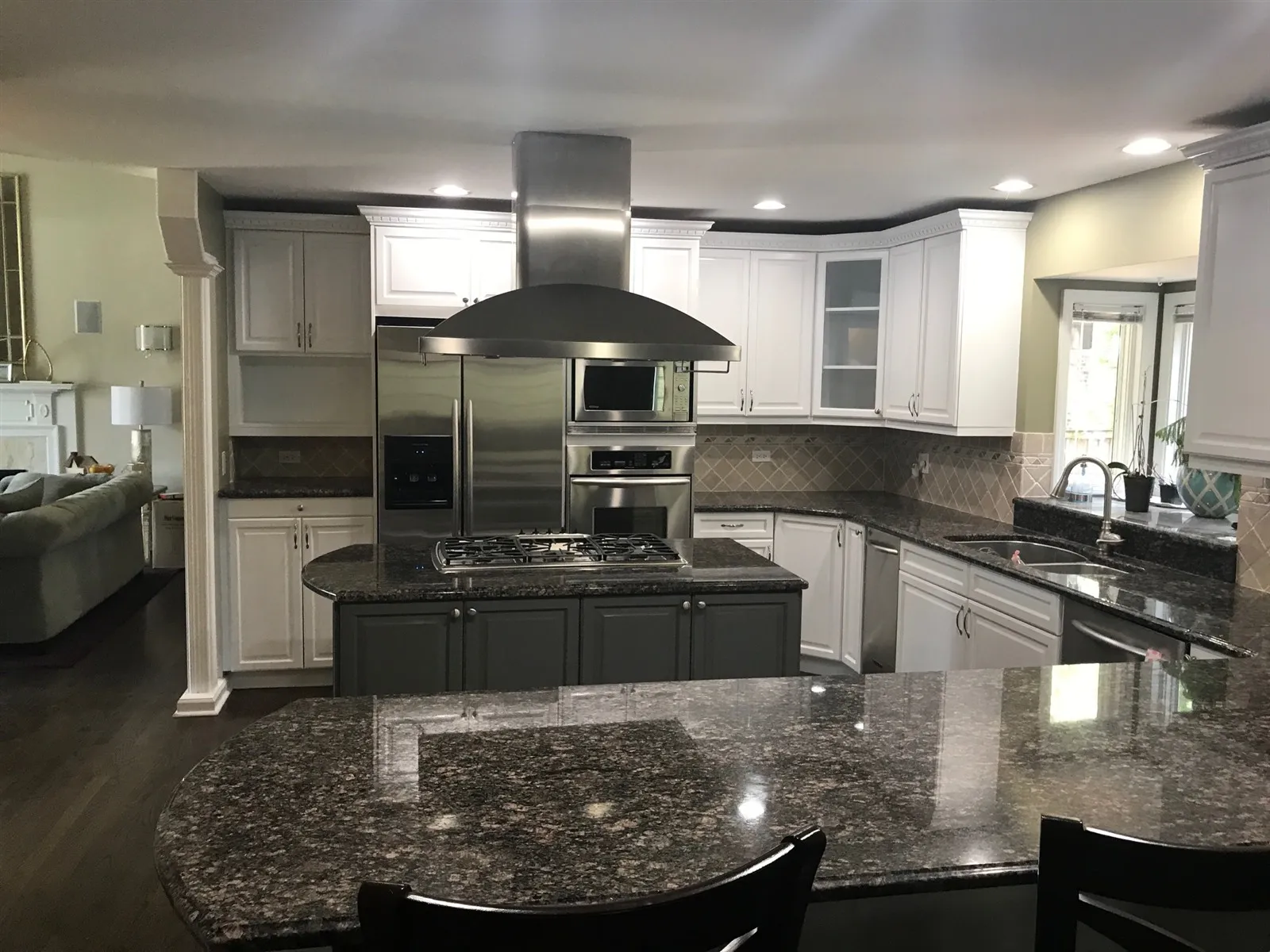
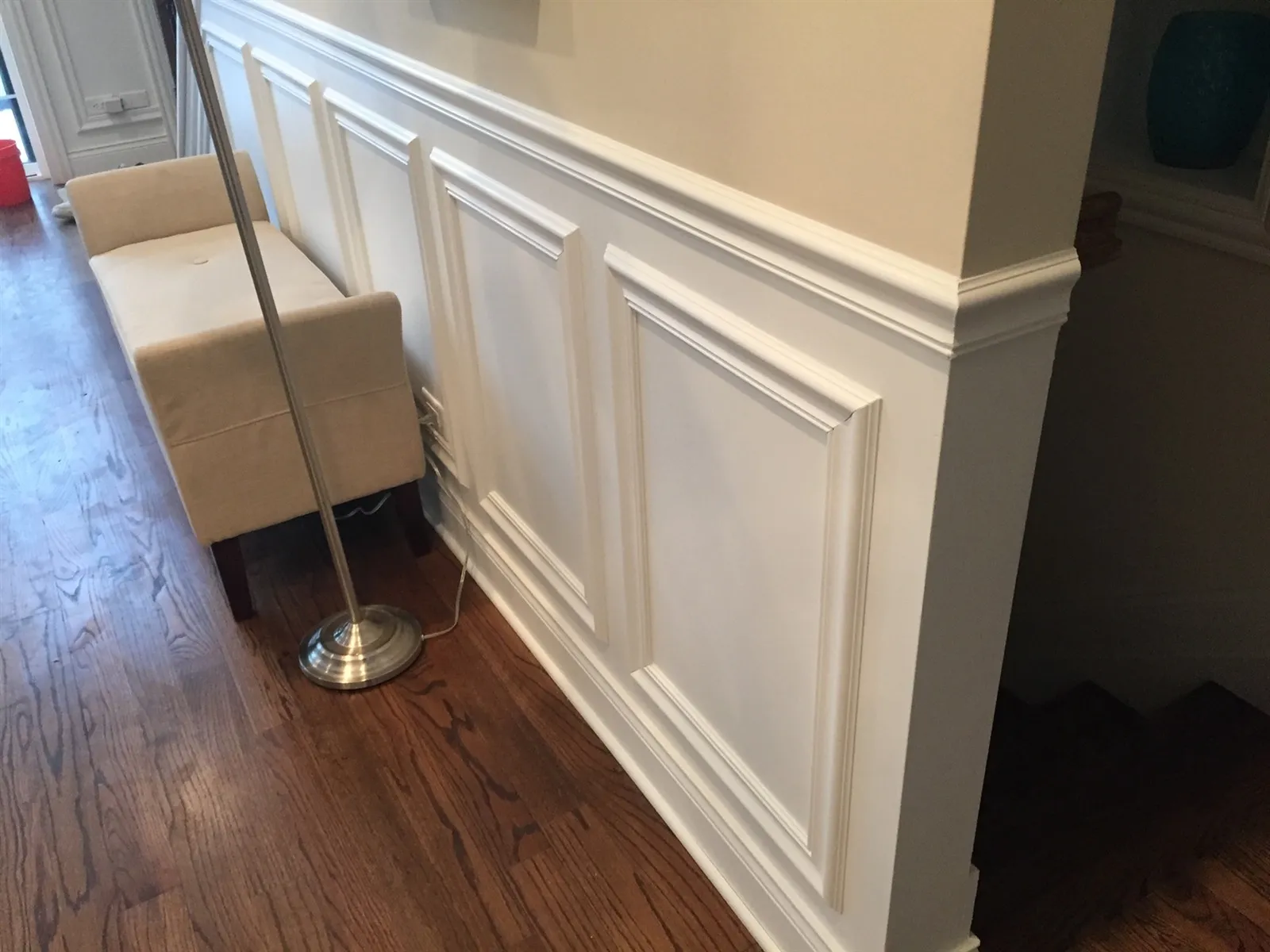
Wood Floors in Homes We Have Worked On
A few Chicago-area rooms with wood floors, from projects by the HQ Carpentry team. See more in our project gallery.
How Floor Refinishing Works
Free home visit
We come to your home, look at the boards, check how much wood is left and talk through color and finish. You get a fixed written quote.
Prep and repairs
We cover doorways and vents, remove shoe molding where needed, secure loose boards and replace damaged ones.
Sand and stain
We sand in stages to bare wood with dust collection, then apply a stain sample and, after you approve it, the full stain.
Finish and walkthrough
We apply the coats of finish, put back the trim and go over the floor with you, along with care tips for the first weeks.
Hardwood Floor Refinishing FAQ
A standard solid oak floor, the kind found in most Chicago bungalows and two-flats, can usually be sanded several times over its life. Each full sanding removes a thin layer from the top. The limit is reached when the wood above the tongue gets too thin, and then nail heads and board edges start to show. How many sandings a floor has left depends on how it was sanded before. Heavy or uneven past sanding uses up wood quickly. Engineered floors are different. Some have a thick enough top layer to sand once or twice, and some cannot be sanded at all. We check your floor at the visit. If it is close to the limit, we may suggest a screen and recoat instead, which adds new finish without taking wood off.
It depends on the finish. With a water-based finish, light walking in socks is usually fine within a day of the last coat. Furniture can come back after a few days if you lift it into place and put felt pads on every leg. Oil-based finish needs more time at each step, and the smell lasts longer. Rugs should wait the longest, often a couple of weeks, because the finish is still curing underneath and a rug can trap it or leave marks. In a Chicago winter, cold and dry air can slow drying, so we keep the heat on during the work. We give you a written list of times for your finish before we leave.
Many of them, yes. Refinishing is the best time to do it, because the floor is empty. Squeaks usually come from boards or subfloor moving on loose nails. Where there is an open basement ceiling below, as in many Chicago bungalows and two-flats, we can often tighten the floor from underneath. From above, we set new nails or screws and hide them before sanding. Gaps are trickier. Thin gaps that open every winter and close in summer are normal, and filling them can cause the filler to crack or push out. Wider gaps that stay open all year can be filled, and very wide ones can be fixed with thin strips of matching wood glued into the joint.
Nail scratches that sit only in the finish come out easily, sometimes with just a screen and recoat. Scratches that cut into the wood come out with a full sanding, as long as they are not too deep. Pet urine is a different problem. It soaks into the wood and often turns it dark gray or black, and those spots usually go too deep to sand out. In that case we cut out the stained boards and weave in matching oak, so the repair blends into the rest of the floor after sanding. After the floor is done, a water-based finish with good wear resistance, felt pads and trimmed nails help keep new scratches to a minimum.
Usually, yes. Once the floor is sanded to bare wood, we can stain it darker, keep it natural or go lighter with a clear water-based finish. Many older oak floors in Chicago-area homes are red oak, and it is worth knowing how it behaves. Red oak has pink tones that tend to show through gray, white and very light stains. Dark stains on oak can look patchy if the sanding is not even, so careful final sanding matters. That is why we put samples of two or three colors right on your floor and let you see them in your own light before we stain the room. If you have a border or inlay, as some bungalow floors do, we can keep it in a contrasting tone.
More Flooring Services
Other flooring work we do across Chicago and the suburbs. See everything on our flooring page.
Hardwood Floor Installation
Solid and engineered hardwood installed over new or existing subfloors, with stairs, transitions and trim. We check subfloor flatness and moisture first, so the floor stays tight.
Luxury Vinyl Plank (LVP) Installation
Waterproof luxury vinyl plank and tile floors for kitchens, baths, basements and whole homes. Installed over a flat, prepared subfloor with matching transitions and trim.
Tile Floor Installation
Porcelain and ceramic tile floors for bathrooms, kitchens and entryways, with proper underlayment and waterproofing, an even layout and clean grout lines.
Basement Flooring
Flooring made for basements: LVP, tile and other moisture-tolerant options over concrete, with vapor barriers and leveling to handle the damp conditions common in Chicago basements.
Get a Free Floor Refinishing Estimate
Tell us which rooms and stairs you want to refinish, and we will come look at the wood and talk through colors and finishes. Call us at (773) 968-3606 or send the form at the top of this page. We are available Monday through Friday 7 AM to 7 PM, Saturday 9 AM to 5 PM, and Sunday 9 AM to 3 PM.
Serving Chicago and the suburbs · Licensed & Insured
We come to your home. No charge, no obligation.
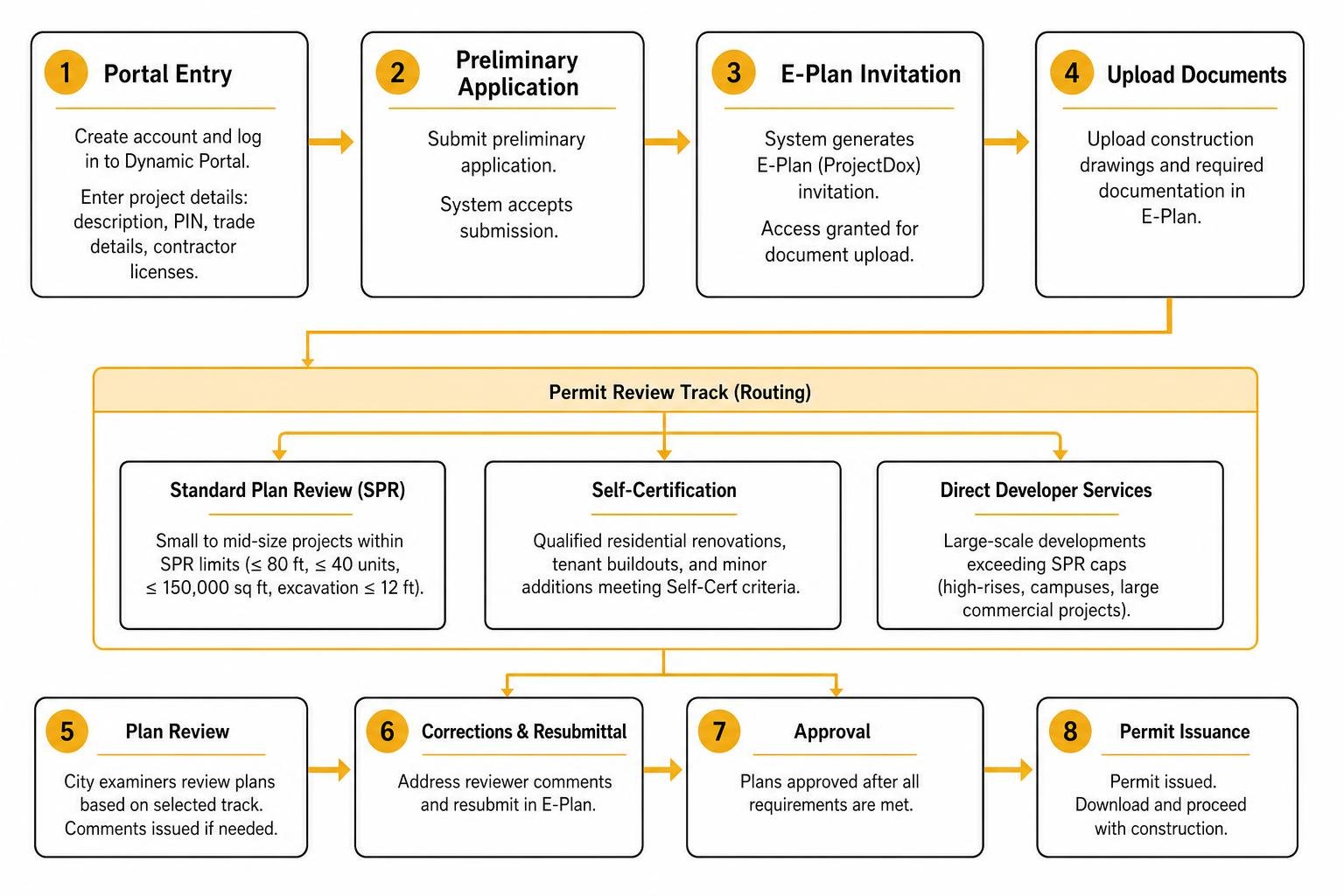
How to Succeed at Building Permit Acquisition in Chicago, Even if You’ve Failed in the Past
Master Chicago's building permit process with expert guidance. Navigate regulations, avoid costly violations, and secure approvals for your remodeling project.

Aging in Place Home Design Ideas That Keep Your Living Space Beautiful
Discover beautiful aging in place home design ideas that blend safety with style, from curbless bathrooms to open concept layouts…
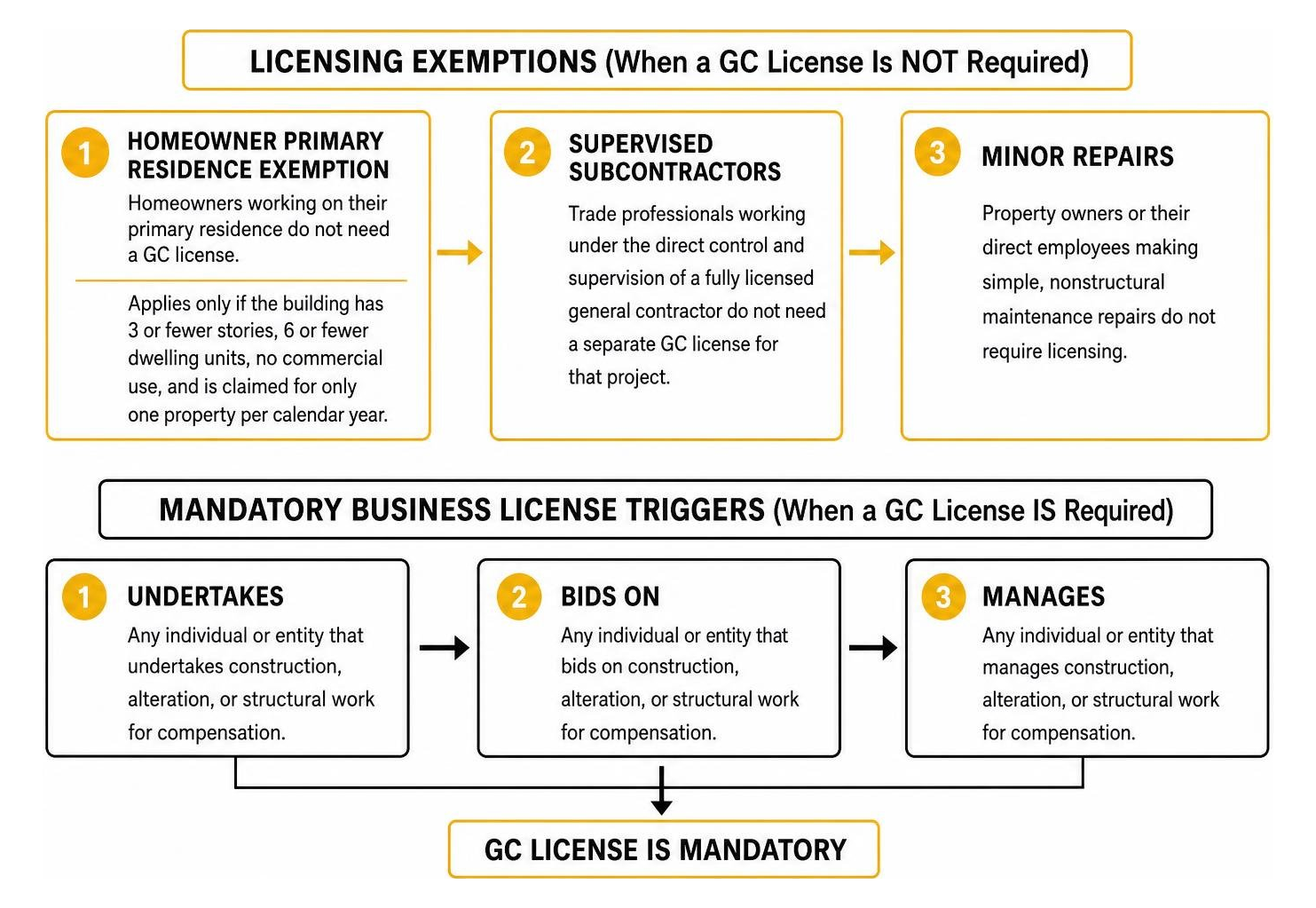
How to Get Your GC License in Chicago with These 5 Easy Steps
Learn how to get your GC license Chicago in 5 easy steps, from choosing a class to submitting your application,…